
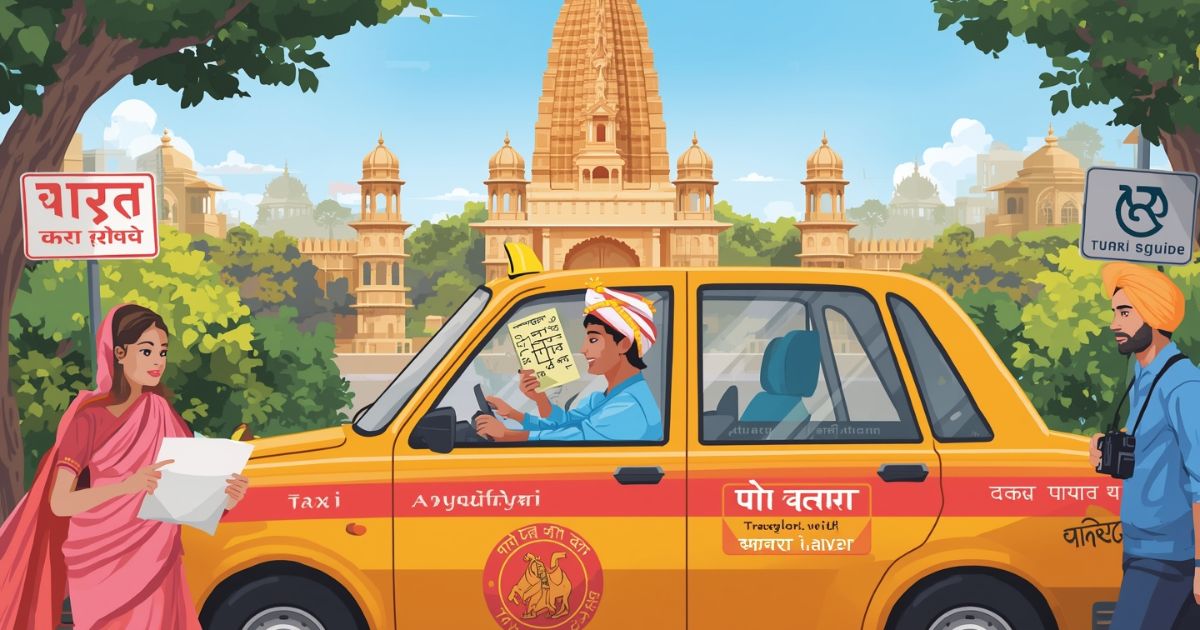
Braj Region Private Taxi Package , Can a single day truly capture the essence of a region that has inspired devotion for five millennia? Surprisingly, yes—when approached strategically. The Braj Region, spanning approximately 84 kos (about 168 miles) around Mathura, encompasses the sacred lands where Lord Krishna spent his childhood and youth. While devoted pilgrims spend weeks or even months exploring every grove and ghat, a well-planned one-day private taxi package delivers concentrated spiritual experiences that resonate long after you’ve departed.
Think of it as a spiritual sampler platter—you’re getting carefully curated tastes of Braj’s profound offerings rather than attempting to consume everything at once. This concentrated approach often proves more meaningful than rushed multi-day trips with rigid group schedules.
A Braj Region Private Taxi Package – 1 Day combines the efficiency of private transportation with expert route planning, creating a pilgrimage experience that honors both your limited time and the sacred significance of these holy sites.
Understanding the Braj Region’s Sacred Geography
The Four Main Pilgrimage Towns
Braj Region Private Taxi Package , The Braj region centers around four primary towns, each with distinct spiritual character:
Mathura serves as the birthplace of Krishna and the region’s largest city. Here, urbanism meets ancient sanctity—bustling bazaars coexist with temples marking the spot where divinity entered the material world over 5,000 years ago.
Vrindavan represents Krishna’s playground, where the young deity performed his enchanting leelas with cowherd friends and gopis. With over 5,000 temples, Vrindavan pulses with concentrated devotional energy unmatched anywhere else.
Govardhan revolves around the sacred hill Krishna lifted to protect villagers from Indra’s deluge. The town and hill together create a 21-kilometer parikrama circuit that pilgrims traverse with reverence.
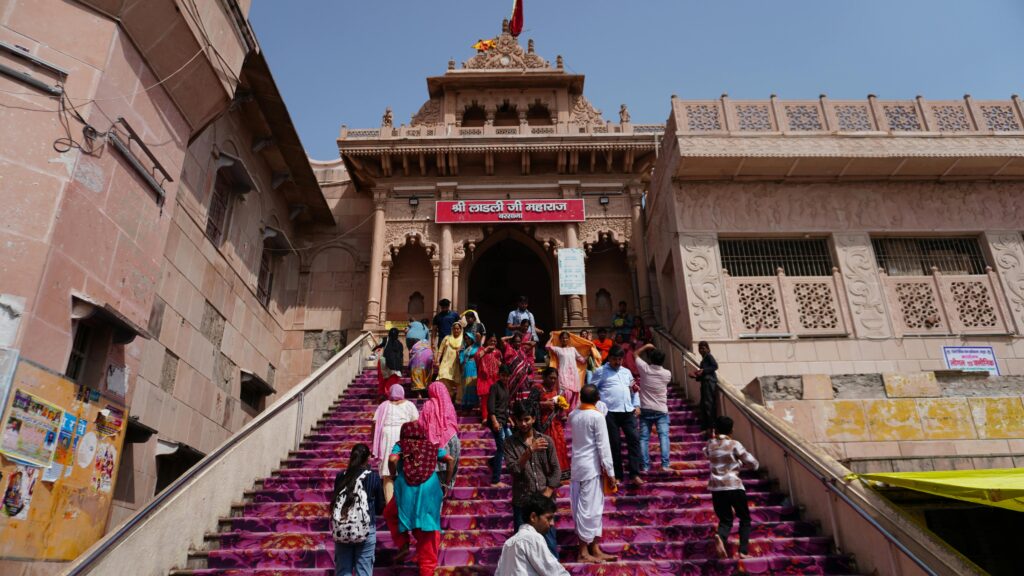
Barsana sits on hillsides as the birthplace of Radha, Krishna’s eternal consort. The town’s elevated temples offer panoramic views and unique architectural styles reflecting Rajasthani influence.
Sacred Sites Beyond the Cities
Between these towns lie numerous significant locations: Radha Kund and Shyam Kund (the holiest water bodies), Nandgaon (Krishna’s foster father’s village), Gokul (Krishna’s infant home), and countless groves, ghats, and temples associated with specific pastimes.
A one-day private taxi package allows strategic selection from this spiritual wealth, creating a coherent narrative rather than exhausting randomness.
Historical and Mythological Connections
Every location in Braj connects to specific episodes from Krishna’s life as recorded in texts like the Bhagavata Purana and Mahabharata. Understanding these connections transforms sightseeing into pilgrimage. Your private driver, typically a local with lifelong familiarity, often shares stories their grandparents told them—oral traditions preserving details not found in written texts.
This living connection to ancient events creates the unique atmosphere that makes Braj unlike any other destination.
What Makes Private Taxi Packages Superior?
Complete Control Over Your Itinerary
Flexibility to Linger or Move On
Imagine this: you’re experiencing evening aarti at Banke Bihari Temple in Vrindavan, and the devotional atmosphere moves you profoundly. With a private taxi, you can stay another thirty minutes without worrying about bus schedules or impatient tour groups. Conversely, if a site doesn’t resonate, you move on immediately rather than enduring lengthy explanations you’re not interested in.
This responsive flexibility transforms rigid tourism into organic spiritual exploration.
No Waiting for Group Members
Group tours inevitably involve waiting—for late members, for those shopping endlessly, for bathroom breaks multiplied by twenty people. Your private taxi eliminates all this dead time, maximizing your actual engagement with sacred sites.
Comfort and Privacy Benefits
Air-conditioned comfort between sites allows recovery time, especially crucial during summer heat or after emotional temple experiences. Privacy enables family discussions, personal reflection, or quiet contemplation impossible in crowded tour buses where strangers compete for attention.
For couples or families, this private space enhances bonding around shared spiritual experiences.
Local Driver Expertise
Your driver serves multiple roles: navigator, cultural interpreter, problem-solver, and often, spiritual guide. They know which temple serves the best prasadam, which routes avoid traffic during festival times, which priests offer the most insightful explanations, and which times of day create the most powerful atmosphere at each location.
This insider knowledge exponentially increases your one-day experience’s depth and authenticity.
Sample 1-Day Itineraries for Different Interests
The Devotional Pilgrim Route
5:30 AM: Pickup from your location, drive to Mathura 6:00 AM: Mangal aarti at Krishna Janmabhoomi Temple (birthplace) 7:30 AM: Visit Vishram Ghat, witness morning bathing rituals 8:30 AM: Breakfast at local restaurant (poori-sabzi, kachori) 9:30 AM: Drive to Vrindavan 10:00 AM: Banke Bihari Temple darshan 11:30 AM: ISKCON Temple visit and educational tour 1:00 PM: Lunch at ISKCON’s Govinda’s Restaurant 2:30 PM: Prem Mandir visit (magnificent architecture) 4:00 PM: Drive to Radha Kund 5:00 PM: Parikrama and meditation at Radha Kund-Shyam Kund 6:30 PM: Return drive, arriving back by 8:00 PM
This devotionally-focused itinerary prioritizes direct spiritual engagement over quantity of sites.
The Cultural Explorer Path
7:00 AM: Start from Mathura, visit Government Museum (archaeological treasures) 9:00 AM: Krishna Janmabhoomi complex (architecture and history) 11:00 AM: Drive to Govardhan, stop at Kusum Sarovar (stunning monument) 12:30 PM: Lunch break 2:00 PM: Barsana hillside temples (architecture and panoramic views) 4:00 PM: Vrindavan’s Radha Vallabh Temple (16th-century heritage) 5:30 PM: Nidhivan (mysterious sacred grove) 6:30 PM: Pagal Baba Temple (sunset views) 7:30 PM: Return journey
This route balances spiritual sites with cultural, historical, and aesthetic experiences.
The Photography Enthusiast Journey
5:00 AM: Pre-sunrise departure to Govardhan Hill 5:45 AM: Sunrise photography at Govardhan with pilgrims beginning parikrama 8:00 AM: Kusum Sarovar (reflections, architecture, golden morning light) 10:00 AM: Barsana (colorful hillside temples, elevated perspectives) 12:30 PM: Lunch break 2:00 PM: Mathura’s Vishram Ghat (river life, boats, architecture) 4:00 PM: Vrindavan’s narrow lanes and traditional temple exteriors 5:30 PM: Prem Mandir (pre-illumination architecture) 7:00 PM: Prem Mandir illumination and musical fountain show 8:30 PM: Return with spectacular photo collection
Timed specifically for optimal lighting and visual opportunities.
The Family-Friendly Circuit
7:00 AM: Comfortable start with pickup 8:00 AM: ISKCON Vrindavan (spacious, educational, child-friendly) 10:00 AM: Prem Mandir gardens and light shows (kids love the fountains) 12:00 PM: Lunch at family-friendly restaurant 1:30 PM: Govardhan Hill short visit (manageable for children) 3:00 PM: Mathura’s Krishna Janmabhoomi (historically significant but not overwhelming) 4:30 PM: Vishram Ghat boat ride (adventure element for kids) 6:00 PM: Ice cream stop, shopping for souvenirs 7:00 PM: Return journey
Balances spiritual exposure with entertainment and manageable activity levels for children.
Essential Sites You Can Cover in One Day
Mathura: Birthplace of Krishna
The Krishna Janmabhoomi Temple Complex stands where Krishna was born in King Kansa’s prison. The temple features the exact cell location marked by special reverence. Adjacent, the mosque built by Aurangzeb represents the complex historical layering of this ancient city.
Vishram Ghat along the Yamuna River marks where Krishna rested after slaying Kansa. The ghat comes alive during evening aarti when hundreds of lamps float on the sacred river—a photographer’s dream and a devotee’s meditation.
Vrindavan: The Town of Temples
Banke Bihari Temple, housing a spontaneously manifested deity, creates an atmosphere of ecstatic devotion. The deity “moves” (curtains open and close frequently), keeping devotees in anticipation—a unique darshan experience.
ISKCON’s Sri Krishna Balaram Mandir offers educational tours explaining Vaishnava philosophy, beautiful gardens, and peaceful atmosphere contrasting with the intensity of traditional temples.
Prem Mandir, a modern architectural marvel completed in 2012, features illuminated evening shows depicting Krishna’s pastimes through lights, music, and fountains—accessible spirituality meeting contemporary aesthetics.
Govardhan: The Sacred Hill
The 21-kilometer parikrama around Govardhan Hill represents a major pilgrimage, but one-day visitors can experience key points: Dan Ghati (where Krishna collected taxes from gopis), Radha Kund (the holiest water body), and Kusum Sarovar (architectural masterpiece with historical significance).
Standing before Govardhan Hill, understanding Krishna lifted this entire landmass, creates visceral connection to the pastimes that shaped Hindu devotional theology.
Barsana: Radha’s Divine Land
The hilltop Radha Rani Temple in Barsana requires climbing hundreds of steps—effort rewarded with stunning views and unique temple atmosphere. The town’s Lathmar Holi celebration (women playfully beating men with sticks) represents India’s most famous regional Holi variant.
Even outside festival times, Barsana’s elevated temples and colorful aesthetics provide distinctive experiences contrasting with Vrindavan and Mathura’s atmospheres.
Timing Your Day for Maximum Experience
Early Morning Temple Rituals
The day’s spiritual peak often occurs during mangal aarti (dawn worship) when temples perform elaborate rituals awakening the deities. This 5:00-7:00 AM window offers fewer crowds, cooler temperatures, and atmosphere charged with fresh devotional energy.
Serious spiritual seekers prioritize this timing despite early wake-up requirements.
Midday Planning Strategies
The 12:00-3:00 PM period presents challenges—intense heat (in summer), temple closures for deity rest, and depleted personal energy. Smart itineraries use this window for lunch, travel between distant sites, visits to museums or monuments, or rest breaks.
Forcing temple visits during midday often yields disappointing experiences compared to morning and evening visits.
Evening Aarti Experiences
Evening aarti ceremonies (typically 6:00-8:00 PM) rival morning rituals in spiritual intensity. The transition from daylight to darkness, lamp lighting ceremonies, devotional singing, and crowds united in worship create powerful atmospheres.
Prem Mandir’s illumination show starting around sunset provides a modern interpretation of traditional evening worship, appealing to diverse audiences.
Booking Your Private Taxi Package
What’s Included in Standard Packages
Typical one-day private taxi packages include:
- Air-conditioned vehicle (sedan, SUV, or tempo traveler based on group size)
- Professional driver with local knowledge
- Fuel costs
- Parking fees at various sites
- Driver allowance
- State taxes and tolls
Standard packages typically do NOT include:
- Temple entrance fees (most temples are free; some charge ₹10-₹50)
- VIP darshan fees (optional upgrades at select temples)
- Meals and refreshments
- Guide services (drivers provide basic information; dedicated guides cost extra)
- Personal expenses and shopping
Pricing Structures and Hidden Costs
One-day Braj region private taxi packages typically range:
Economy sedan (4 passengers): ₹2,500-₹3,500 SUV/MUV (6-7 passengers): ₹4,000-₹5,500 Tempo Traveler (12+ passengers): ₹6,000-₹8,500
Prices vary based on:
- Starting location (Delhi pickups cost more than Mathura/Agra pickups)
- Season (peak seasons command premiums)
- Vehicle age and condition
- Inclusions (some packages include guide services)
Hidden costs to clarify:
- Overtime charges if exceeding 10-12 hour packages
- Extra kilometer charges beyond standard limits (typically 120-150 km included)
- Waiting charges at extended stops
- Late-night return surcharges
Always confirm total inclusive pricing before booking to avoid unpleasant surprises.
Choosing the Right Vehicle
Sedans (Dzire, Etios): Ideal for 2-3 adults, economical, comfortable for standard touring.
SUVs (Innova, Ertiga): Best for 4-6 adults or families with children needing extra luggage space.
Tempo Travelers: Groups of 8-12 people, provide space but sacrifice intimacy.
Consider comfort over capacity—six adults in a six-seater SUV becomes cramped over 10-12 hours. Opting for slightly larger vehicles enhances experience quality significantly.
Practical Tips for One-Day Braj Tours
What to Pack
- Comfortable walking shoes (you’ll climb steps and walk considerable distances)
- Modest clothing covering shoulders and knees
- Hat, sunglasses, and sunscreen (outdoor time adds up)
- Reusable water bottle
- Small backpack for daily essentials
- Hand sanitizer and wet wipes
- Portable phone charger
- Small denomination cash for offerings and purchases
- Any personal medications
Dress Code and Temple Etiquette
Most Braj temples require:
- Covered shoulders and knees (both men and women)
- Shoe removal before entering temple premises
- Head covering for women in some temples (scarves available at entrances)
- No leather items inside temple sanctums
Photography rules vary:
- Most temple exteriors allow photography
- Many sanctums prohibit photography
- Always ask permission before photographing priests or rituals
- Never use flash near deities
Behavior expectations:
- Maintain quiet, respectful demeanor
- Don’t point feet toward deities
- Accept prasadam with right hand
- Follow priest instructions during aarti participation
Food and Water Considerations
Braj region is entirely vegetarian and largely alcohol-free. Restaurants range from simple dhabas to organized establishments like ISKCON’s Govinda’s restaurants.
Safe eating practices:
- Choose busy restaurants with high turnover
- Prefer hot, freshly cooked food
- Drink bottled water only
- Be cautious with street food unless your stomach handles it well
- Temple prasadam is generally safe and considered blessed
Many visitors choose to eat only prasadam during pilgrimage days, treating food itself as spiritual practice.
Starting Points and Pickup Options
Most private taxi packages offer flexible pickup:
From Delhi: Adds 3-4 hours total driving (150 km each way), early start recommended (4:00-5:00 AM)
From Agra: Adds 2-3 hours total driving (65 km each way), comfortable start time (6:00-7:00 AM)
From Mathura/Vrindavan hotels: Maximizes temple time, ideal for devotional pilgrim routes
From train stations: Mathura Junction pickups coordinate with train arrivals from Delhi, Mumbai, Kolkata
Confirm exact pickup location, timing, and driver contact information 24 hours before your tour to ensure smooth starts.
Maximizing Spiritual Impact in Limited Time
Quality trumps quantity in one-day pilgrimages. Rather than rushing through fifteen temples with superficial visits, deeply experiencing five or six creates lasting impressions.
Strategies for depth:
Preparation: Read about Krishna’s pastimes associated with sites you’ll visit. Familiarity with stories enhances appreciation exponentially.
Presence: At each location, take five minutes for quiet observation before moving on. Notice architecture, atmosphere, devotee behavior, and your own responses.
Participation: Don’t just observe rituals—participate when appropriate. Accept prasadam, join aarti singing (even if you don’t know the language), circumambulate deities.
Reflection: During drives between sites, discuss experiences with travel companions or journal observations rather than scrolling phones.
Intention: Begin your day with clear spiritual intention—seeking blessings, understanding devotion, cultural learning, or personal transformation. Your intention shapes experience quality.
Common Mistakes to Avoid
Over-ambitious itineraries: Attempting to visit ten major sites creates exhaustion, not enlightenment. Resist the urge to check every box.
Ignoring peak times: Arriving at Banke Bihari Temple at 11:00 AM on Saturday means hour-long queues. Strategic timing prevents frustration.
Skipping meals: Low blood sugar creates irritability, reducing spiritual receptivity. Schedule proper meal breaks.
Inadequate clothing: Arriving in shorts or sleeveless tops requires purchasing acceptable clothing at inflated prices or missing temple entries entirely.
Arguing about money: Pre-agree on all costs with your driver. Mid-tour disputes poison the atmosphere.
Comparing with expectations: Braj’s power lies in authentic experience, not Instagram-perfect moments. Release preconceptions and embrace what actually unfolds.
Rushing spiritual moments: When you feel genuine emotion or connection, honor it rather than checking your watch.
Budget Breakdown: What to Expect
Sample budget for two people on a one-day Braj private taxi tour from Mathura:
- Private sedan taxi package: ₹3,000
- Guide service (optional): ₹1,000
- VIP darshan fees (2-3 temples): ₹600
- Meals (breakfast, lunch, snacks): ₹800
- Water and refreshments: ₹200
- Offerings and donations: ₹500
- Souvenirs and prasadam purchases: ₹500
- Contingency: ₹400
Total: ₹7,000 (approximately $85 USD) for a comprehensive private experience
Budget travelers can reduce costs to ₹4,000-₹5,000 by eliminating guide service, choosing economy meals, and limiting purchases.
Luxury seekers spending ₹10,000-₹15,000 can include premium vehicles, private guides, VIP experiences, and upscale dining.
Extending Your Day Trip into Evening
Many visitors find daylight hours insufficient for their spiritual appetites. Evening extensions allow:
- Attending evening aarti at multiple temples
- Experiencing Prem Mandir’s full light show
- Quieter temple visits after tourist crowds disperse
- Dinner at atmospheric restaurants
- Night parikrama (circumambulation) experiences
Coordinate with your driver beforehand regarding overtime charges (typically ₹150-₹250 per additional hour). The spiritual value often justifies the modest additional expense.
Some pilgrims choose overnight stays, using the private taxi for a full-day tour, then releasing the vehicle and staying locally to experience evening and next-morning atmospheres before departing.
Conclusion
The Braj Region Private Taxi Package – 1 Day represents far more than transportation—it’s a carefully crafted spiritual journey condensed into efficient, meaningful hours. In our time-constrained modern lives, extracting maximum value from limited pilgrimage windows becomes essential.
This approach honors both practical realities and spiritual aspirations. You’re not sacrificing depth for convenience; you’re strategically focusing your energy on carefully selected experiences that deliver concentrated doses of Braj’s transformative atmosphere.
Your private taxi becomes a mobile sanctuary, a space between sacred sites where you process experiences, share insights with companions, and transition between the various energies each location offers. Your driver transforms into a cultural bridge, connecting your contemporary life with ancient traditions still pulsing through these blessed lands.
Whether you’re a devoted Krishna bhakta on pilgrimage, a spiritual seeker exploring India’s devotional traditions, or a cultural enthusiast appreciating religious heritage, one well-planned day in Braj can shift your perspective, open your heart, and create memories that surface during quiet moments for years afterward.
The sacred groves where Krishna played his flute, the waters that witnessed divine love, the temples preserving centuries of devotion—all await your visit. Time constraints needn’t prevent meaningful engagement. With thoughtful planning and the flexibility of private transportation, a single day becomes a window into the eternal.
Your Braj journey awaits. Will you answer the call?
FAQs
1. Is one day really enough to experience Braj meaningfully, or is this just superficial tourism?
One focused day absolutely provides meaningful experience when approached properly. Unlike destinations where significance lies in extensive historical sites requiring days to appreciate, Braj’s power concentrates in spiritual atmosphere and devotional energy accessible immediately. A sincere visitor spending one full day visiting 5-6 major sites with proper context often gains deeper understanding than someone spending three days rushing through twenty temples without guidance. The key is intentionality—entering each space with receptivity rather than treating it as a checklist. Many pilgrims return repeatedly for single-day visits, each deepening their connection. Think of it as tasting versus consuming—you’re sampling Braj’s essence, which often inspires future extended stays.
2. How does a private taxi package compare cost-wise to independent travel or group tours?
For solo travelers, independent travel using local transportation (buses, autos, shared taxis) costs significantly less—perhaps ₹500-₹1,000 total—but involves considerable time waste, navigation confusion, and limited site coverage. Group tours cost ₹1,500-₹2,500 per person with rigid schedules and less comfort. Private taxis for 2-4 people typically run ₹2,500-₹4,000 total (not per person), making the per-person cost ₹625-₹1,000 when split. You gain flexibility, comfort, and efficiency worth far more than the modest price difference. For families or groups of 4+, private packages actually cost less per person than organized group tours while delivering superior experience quality.
3. Can drivers provide adequate guidance, or should I hire a separate tour guide?
This depends on your expectations and the driver’s background. Most Braj taxi drivers possess extensive local knowledge, personal devotion to the sites, and storytelling abilities that provide meaningful context. They explain basic histories, point out significant features, and share local legends. However, they typically aren’t trained scholars of Vaishnava theology or professional guides with in-depth historical knowledge. For general pilgrimage experience, drivers provide sufficient guidance. If you desire deep theological discussions, Sanskrit text explanations, or detailed architectural analysis, hiring a dedicated guide (₹1,000-₹2,000 for the day) adds substantial value. Many services offer driver-guide combinations where the same person handles both roles with appropriate expertise.
4. What happens if my flight/train is delayed and I miss my pickup time?
Reputable private taxi services accommodate reasonable delays with advance communication. Inform your service provider immediately upon learning of delays. Most hold vehicles for 1-2 hours beyond scheduled pickup without penalty. Extended delays may incur waiting charges (₹100-₹200 per hour) or require rescheduling. The key is proactive communication—don’t simply arrive hours late expecting the vehicle to wait. Some services adjust itineraries to accommodate late starts, prioritizing essential sites and optimizing the compressed timeframe. Always exchange direct phone numbers with your driver (not just the booking office) to coordinate in real-time if delays occur. WhatsApp messaging proves invaluable for coordination.
5. Are there any days or times when I should avoid one-day Braj tours?
Yes, strategic timing significantly impacts experience quality. Avoid weekends (especially Saturday-Sunday) when local crowds intensify at major temples, particularly in Vrindavan. Major Hindu festivals like Janmashtami, Holi, and Diwali create overwhelming crowds and traffic congestion that reduce enjoyable coverage dramatically—save these for extended stays when you can appreciate the festival atmosphere rather than fighting crowds. Kartik month (October-November) sees maximum pilgrims, though the spiritual intensity partially compensates. Tuesday and Friday traditionally attract heavier temple crowds. For optimal experience, schedule Monday, Wednesday, or Thursday during non-festival periods (December-February offers best weather and moderate crowds). Monsoon season (July-September) brings beautiful greenery but also heat, humidity, and occasional flooding affecting accessibility.




Comments are closed.